

There is much to admire in this play, and Lil Tacker Productions deserves credit for bringing such an intriguing work to the Old Fitz stage
Fiona Hallenan-Barker
3 Stars
Venue: Lil Tacker Productions at the Old Fitz Theatre
Sydney
How damaged is too damaged? And if science gave us the opportunity to start again, would we have the right to do so?
In 1996, Scottish scientists cloned a sheep. Her name was Dolly, and the world promptly embarked on a rather uncomfortable conversation about the ethics of cloning. By 2001, Britain had legalised the cloning of human embryos for medical research and in 2002, British playwright Caryl Churchill turned her formidable theatrical imagination towards the subject. The result was A Number, a chillingly economical exploration of identity, parenthood, genetic inheritance and the rather inconvenient business of being human.
Nearly 25 years later, the questions Churchill raises are arguably more urgent than ever. Artificial intelligence is busy making digital versions of us, biotechnology continues to push the boundaries of what is possible, and scientists are investigating the extraordinary regenerative abilities of the axolotl. The possibility of growing replacement limbs and organs sounds wonderful until we start asking who gets to decide what constitutes an acceptable replacement.
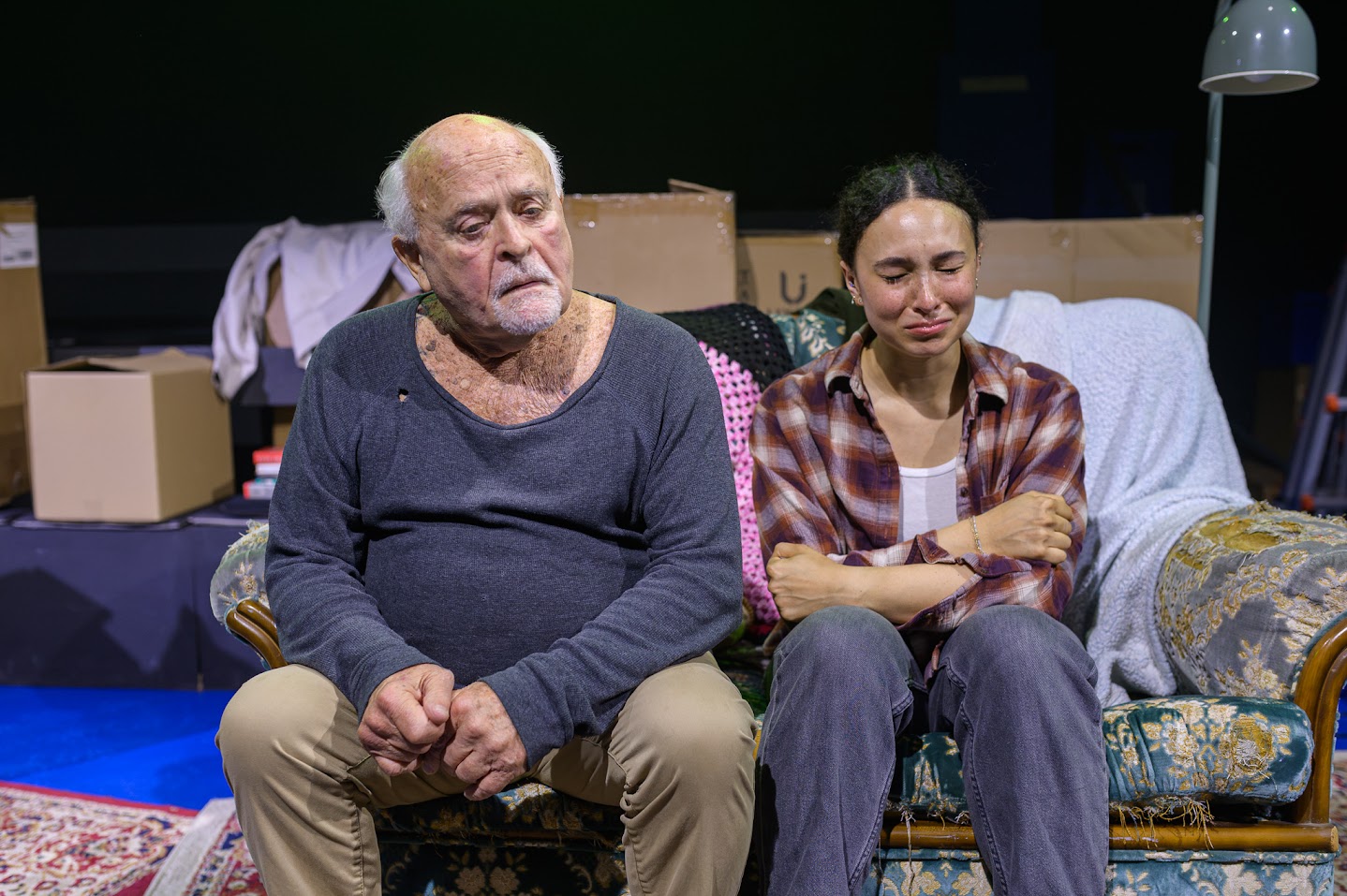
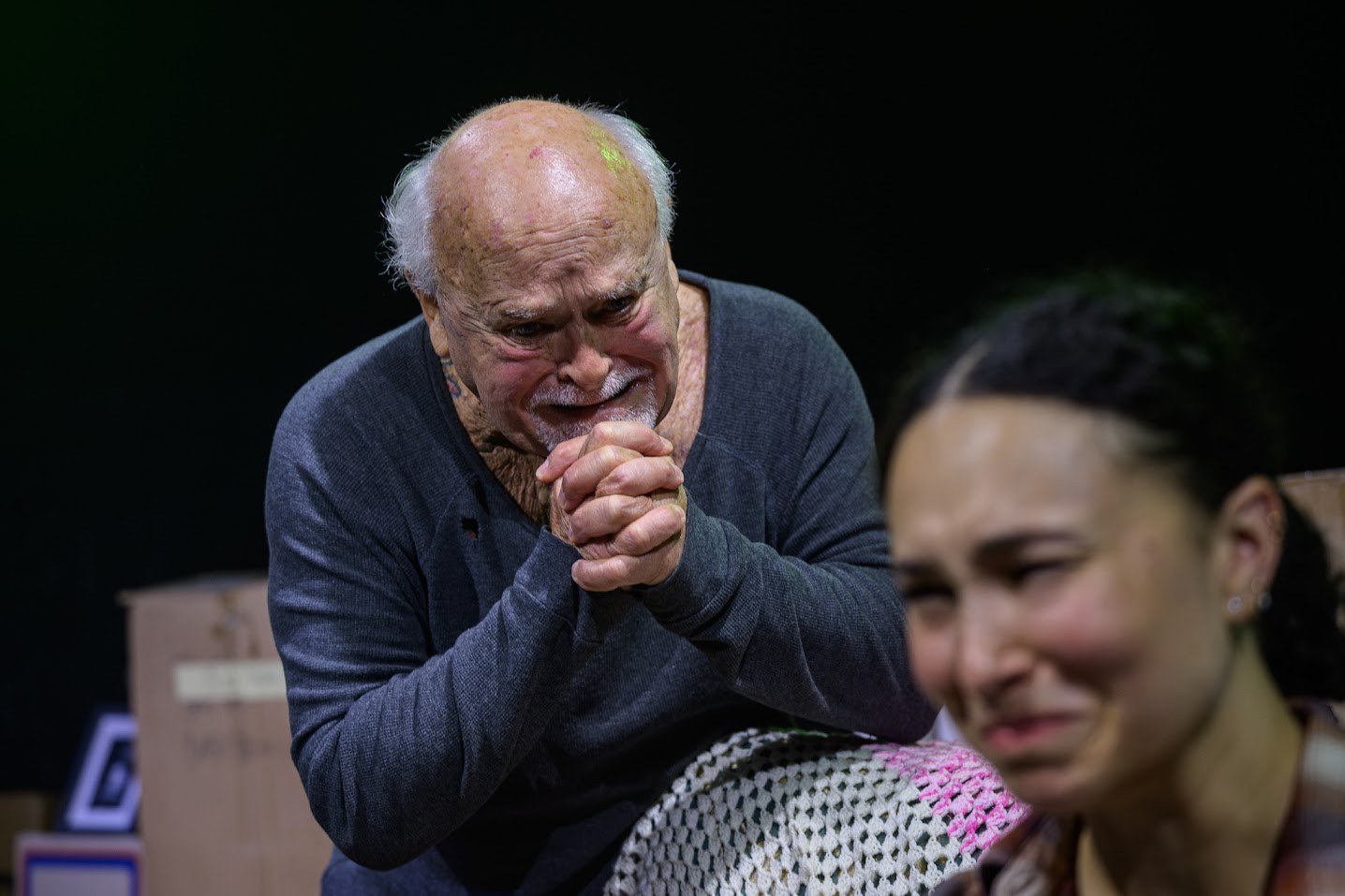
So, there is plenty of meat on the scientific and philosophical bones of A Number. Unfortunately, this production doesn’t quite manage to get its teeth into it. The premise is deliciously disturbing. Danny Adcock plays Salter, who in an attempt to correct his past, turns to cloning, creating a replacement of his child. Jolie James plays the various iterations of his cloned daughter.
The production stands on shoulders of giants. The original Royal Court production, directed by Stephen Daldry and featuring Michael Gambon and Daniel Craig, established the play as one of Churchill’s most compelling explorations of the human condition. Its Australian premiere at Belvoir in 2006, directed by Lee Lewis, brought an unsettling immediacy to the work. This Old Fitz production has the advantage of timing. In an era when we are increasingly comfortable with the idea of artificial intelligence replicating human behaviour, Churchill’s questions about identity and authenticity feel ripe for rediscovery.
Adcock brings considerable experience to Salter, while James, his daughter in real life, takes on the role of B2, Michelle and B1. The real-life father-daughter relationship adds a layer to a play preoccupied with parenthood, identity and the ties that bind us. There are moments when their onstage relationship feels less convincing than the fascinating biological and emotional questions Churchill has put on the table. James shows considerable potential, particularly as B2, whom we meet first. There are glimpses of a performer finding her feet, but the distinctions between the various characters need greater definition. Some physical choices draw attention away from the emotional content rather than adding to it.
Director Julie Pierrette has a challenging piece of theatre in her hands, but the production struggles to settle on a consistent tone. At times the naturalism of one character sits uneasily alongside the heightened approach of another. Churchill’s writing demands precision timing with exchanges that should crackle with tension. Despite the high psychological and emotional stakes, the production feels a little detached. We never quite fear for the characters or become invested in their predicament. Paris Bell and Emma Snellgrove’s lighting and sound design establish an ominous atmosphere, but the sense of menace sometimes arrives before the drama has earned it. The result is an accumulation of theatrical signals rather than a sustained sense of menace.
At around 50 minutes, A Number is a tightly constructed chamber piece. Churchill wastes very little time or language. Her writing is economical, intelligent and full of unsettling possibilities. The question of whether a parent can erase past mistakes by creating a replacement is particularly potent. We are not simply our genes, our memories or the circumstances of our birth. We are the sum of all these things, and hopefully a bit more too.
There is much to admire in this play, and Lil Tacker Productions deserves credit for bringing such an intriguing work to the Old Fitz stage. Adcock’s experience and James’s emerging talent offer moments of promise. This production has all the ingredients, but the chemistry is not quite there yet.
A number of good ideas, but not quite the right chemistry.
(3 cloned ears out of 5)
Fiona Hallenan-Barker, Theatre Now